Who are you? Identity in the Twenty-First Century
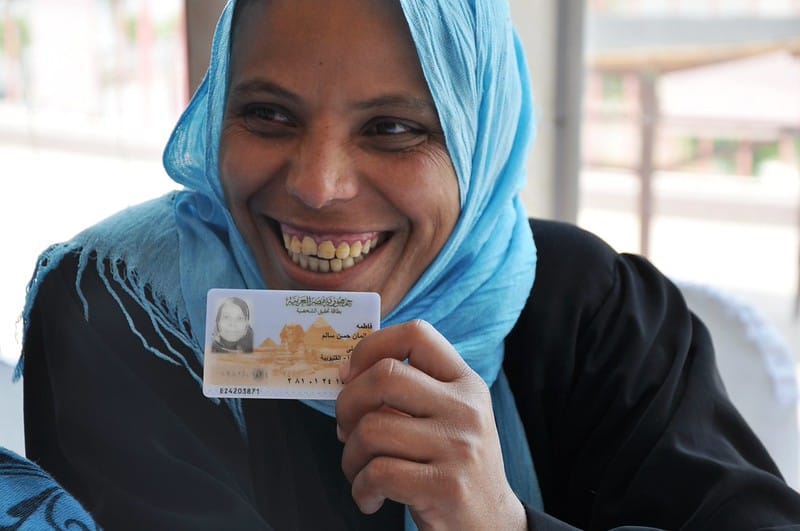
As I develop the philosophy behind the Urban Theater and devise principles and tactics for modern urban governance one of the most fundamental ideas with which we must contend is identity.
The Fourth Amendment to the Constitution, adopted on December 15, 1791 after being ratified by fourteen states enshrined the following:
“The right of the people to be secure in their persons, houses, papers, and effects, against unreasonable searches and seizures, shall not be violated, and no Warrants shall issue, but upon probable cause, supported by Oath or affirmation, and particularly describing the place to be searched, and the persons or things to be seized.”
For our purposes here at the Urban Theater the key thesis is the right of the people to be secure in their persons. That entails being able to garner credentials from issuers whether that be a government institution, an institute of higher education or others; being able to securely store and present the necessary aspects of that credential; and for appropriate verifiers to ascertain necessary information about people, governments, businesses and institutions.
Think about your daily life and your identity. You wake up in the morning, flip open the laptop and check your email. Your laptop has to verify your identity to open it (mine uses biometrics). Your email provider has to verify your identity. You get a notification that the hoodie you've been wanting went on sale. You click through the link and the tech stack has to verify you and the business that sent you the email. You make the purchase and the business has to verify that you have the authority to use the payment system you provided. And these are just the realms of commerce and communication.
Your identity is what allows you to vote; to get on a public bus with your bus pass; to access your workplace and workplace technologies. Your identity verifies your right to drive or not, confirms ownership and government registration of your vehicle, and that you either hold or do not hold insurance on your vehicle. Your identity verifies education credentials, health insurance, vaccination status. And in the new "ICE Age" verifying your identity and status is more important than ever.
But who controls your identity? Largely the Federal Government (through Social Security numbers), State Governments (drivers licenses) and big tech providers that federate your access to any number of sites (sign in with Google/Apple/Facebook/LinkedIn). And who controls the presentation of your identity? Legacy systems and rituals. Think about a traffic stop. Police officer pulls you over and asks for three things: 1) drivers license; 2) proof of insurance; and, 3) the vehicle registration. Three different items, one plastic, two paper ("substrates" - more on this as we get into the subject). The officer returns to their vehicle, because this is the encoded ritual. It's all unnecessary. Through ALPR (Automatic Licence Plate Reader) technology in their vehicles they already know who you are, your status (have you got a warrant?), and that your car is registered because they've already run your plate. That's the ritual.
But think about some other aspects here - does the police officer need to know your height and weight? Whether you are a donor or a veteran? Why do they need your home address? They don't need any of it so you are oversharing aspects of your identity unrelated to the task at hand, proving whether you are licensed to drive. Ladies, how do you like handing over your drivers license with your home address on it to the creepy door guy at the night club?
What we're here to advocate for is a return to the basics of the Fourth Amendment, being secure in your person. We believe the way to do that is through Self Sovereign Identity, or SSI. You can explore more about it here, or follow our work on the subject. This is not the Ammon Bundy whackadoodle Sovereign Citizen movement dominated by conspiracy theories that say they don't need to follow laws or pay taxes. SSI is a system that allows issuers (a DMV) to issue a credential (license) to a holder that manages that ID digitally in a wallet (like your Apple Wallet), and verifiers that need to validate a credential (local police department). It's a system of identification that allows the user to control what information they share. With SSI, the traffic stop would look like this: officer pulls you over. You get a ping on your phone asking for driver's license, registration, insurance. Your wallet has all those items stored as a group, and what the officer gets back is cryptologic proof that licensed driver=yes, insured=yes, registration current=yes. No "dance of the documents" just proof of only what is required rather than the physical handling of your identity and oversharing. (This is already in place in Sydney, AUS, a city of 6 million people where 4.5 million have opted to go digital in just two years. And NO in Australia you do NOT have to carry a plastic license as well like you do in the 21 U.S. States that have TSA approved Mobile IDs mDLs).
As we move through the topic we'll explore what's driving this across the globe, the absurdities of the current systems, and get deeper into individual management of identity. This is key to all citizens, residents and visitors being secure in our persons, being able to safely and securely vote, protect from government overreach (e.g., ICE), and safely and securely participate in commerce, transportation and employment - all classic realms for the urbanist since the City is where these transactions are magnified at scale.